
A Complete Guide to Creating a Healthier Home
Indoor Air Quality for Pets
Your home should be a place where every family member—including your pets—can breathe comfortably. While many pet owners focus on nutrition, exercise, and regular veterinary care, indoor air quality is often overlooked. Yet dogs and cats spend much of their time indoors, where they may be exposed to dust, pet dander, smoke, cleaning chemicals, and other airborne pollutants.
Creating healthier indoor air doesn’t require expensive renovations. Small changes, such as improving ventilation, reducing indoor pollutants, and maintaining a consistent cleaning routine, can make your home more comfortable for both pets and people. This guide explains why indoor air quality matters, the most common indoor air concerns, and practical ways to create a cleaner, pet-friendly living environment.
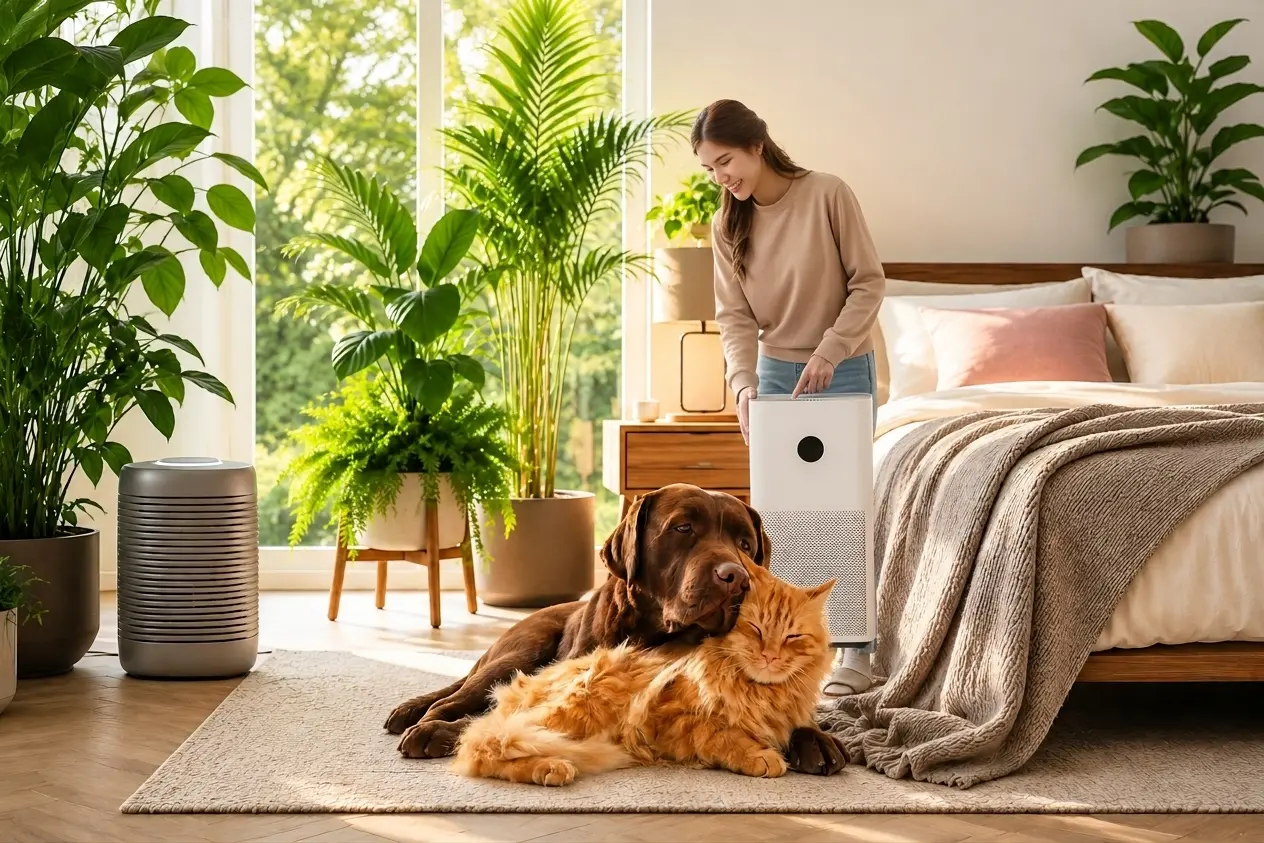
Quick Summary
Cleaner indoor air supports healthier living for both pets and people.
This guide will help you:
- ✓ Understand why indoor air quality is important for dogs and cats.
- ✓ Recognize common indoor air pollutants found in homes.
- ✓ Learn practical ways to improve air quality every day.
- ✓ Create healthier living spaces room by room.
- ✓ Make informed decisions about air quality products and home habits.
Important: This article provides educational guidance and is not a substitute for professional veterinary care. If your pet develops persistent coughing, difficulty breathing, or other concerning symptoms, contact your veterinarian promptly.
Why Indoor Air Quality Matters?
Indoor air quality refers to how clean and healthy the air inside your home is. It is influenced by factors such as ventilation, dust, moisture, household products, smoke, and airborne particles. Because pets spend much of their lives indoors, the quality of the air they breathe can play an important role in their overall comfort and wellbeing.
Unlike people, dogs and cats often rest close to floors, carpets, and upholstered furniture where dust, allergens, and other particles naturally settle. They also explore their surroundings with their noses, increasing their exposure to substances that may not be noticeable to us. In smaller apartments or homes with limited ventilation, indoor pollutants can become more concentrated over time.
A healthier indoor environment benefits pets in several ways. Cleaner air can help reduce exposure to airborne irritants, create a fresher living space, and support a more comfortable home for pets with age-related sensitivities or existing respiratory conditions. Good indoor air quality also contributes to a cleaner environment for everyone in the household.
Common Indoor Air Pollutants That Can Affect Pets
Not every indoor pollutant poses the same level of risk, but understanding the most common sources can help you make informed choices. The goal isn’t to create a perfectly sterile home—it’s to reduce unnecessary exposure and maintain a cleaner, healthier environment for your pets.
Dust and Pet Dander
Dust contains tiny particles such as soil, fabric fibers, pollen, and skin cells. Pet dander consists of microscopic flakes of skin shed naturally by animals.
These particles can accumulate on floors, furniture, and bedding. Regular vacuuming with a HEPA-equipped vacuum, damp dusting, and washing pet bedding help keep them under control.
Mold and Excess Moisture
Damp bathrooms, laundry rooms, basements, and areas around leaking pipes can encourage mold growth. Mold may release spores that irritate people and pets.
Watch for these signs:
- Musty odors or visible mold
- Water stains on walls or ceilings
- Persistent condensation
- Damp carpets or walls
Repair leaks promptly and address moisture problems to help prevent mold growth.
Smoke and Fine Particles
Smoke is an important indoor air concern for pets. Common sources include:
- Tobacco smoke
- Fireplaces and wood burning
- Cooking smoke
- Wildfire smoke entering the home
Smoke contains fine particles and gases that can irritate the eyes and respiratory system. The American Veterinary Medical Association recommends limiting pets' exposure to smoke, especially animals with existing heart or respiratory conditions.
When outdoor air quality is poor, keep windows closed and use appropriate indoor filtration.
Volatile Organic Compounds (VOCs)
VOCs are gases released by certain everyday materials and products, including:
- Fresh paint
- New furniture and flooring
- Adhesives
- Air fresheners
- Some cleaning products
The U.S. Environmental Protection Agency notes that indoor VOC concentrations can be higher than outdoor levels. Choose low-VOC products when possible and ventilate appropriately after decorating or renovations.
Household Cleaning Chemicals
Cleaning is essential, but some products can release irritating fumes or fragrances into the air.
Help reduce unnecessary exposure by:
- Following product label directions
- Using only the amount required
- Keeping pets away during cleaning and until surfaces are safe and dry
- Ventilating rooms as directed by the product label
Choose products appropriate for the surfaces and intended use, and store chemicals securely away from pets.
Scented Candles, Incense, and Air Fresheners
Fragrances can mask pet odors without removing their source. Scented candles, incense, aerosol sprays, and some essential oil diffusers may release airborne substances that irritate sensitive animals.
Cats may be particularly vulnerable to certain essential oil compounds. Avoid assuming that a product is safe simply because it is labeled natural.
Pet safety: If you're unsure whether a fragrance or essential oil product is suitable for your pet, consult your veterinarian before using it in your home.
Instead, address odors through regular cleaning, fresh airflow when outdoor conditions allow, and routine maintenance.
Carbon Monoxide and Combustion Gases
Carbon monoxide is a colorless, odorless gas produced by the incomplete burning of fuels such as gas, wood, charcoal, and oil. Faulty heaters, fireplaces, stoves, and generators can be sources.
Install and maintain carbon monoxide detectors according to the manufacturer's instructions and local safety guidance. Arrange regular servicing of fuel-burning appliances, and never operate portable generators indoors or in enclosed spaces.
Key Takeaway
Many indoor air quality problems can be reduced through everyday habits. Address pollutants at their source, improve ventilation when outdoor air is suitable, maintain a regular cleaning routine, and fix moisture problems promptly. These practical steps can help create a healthier home for both your pets and your family.
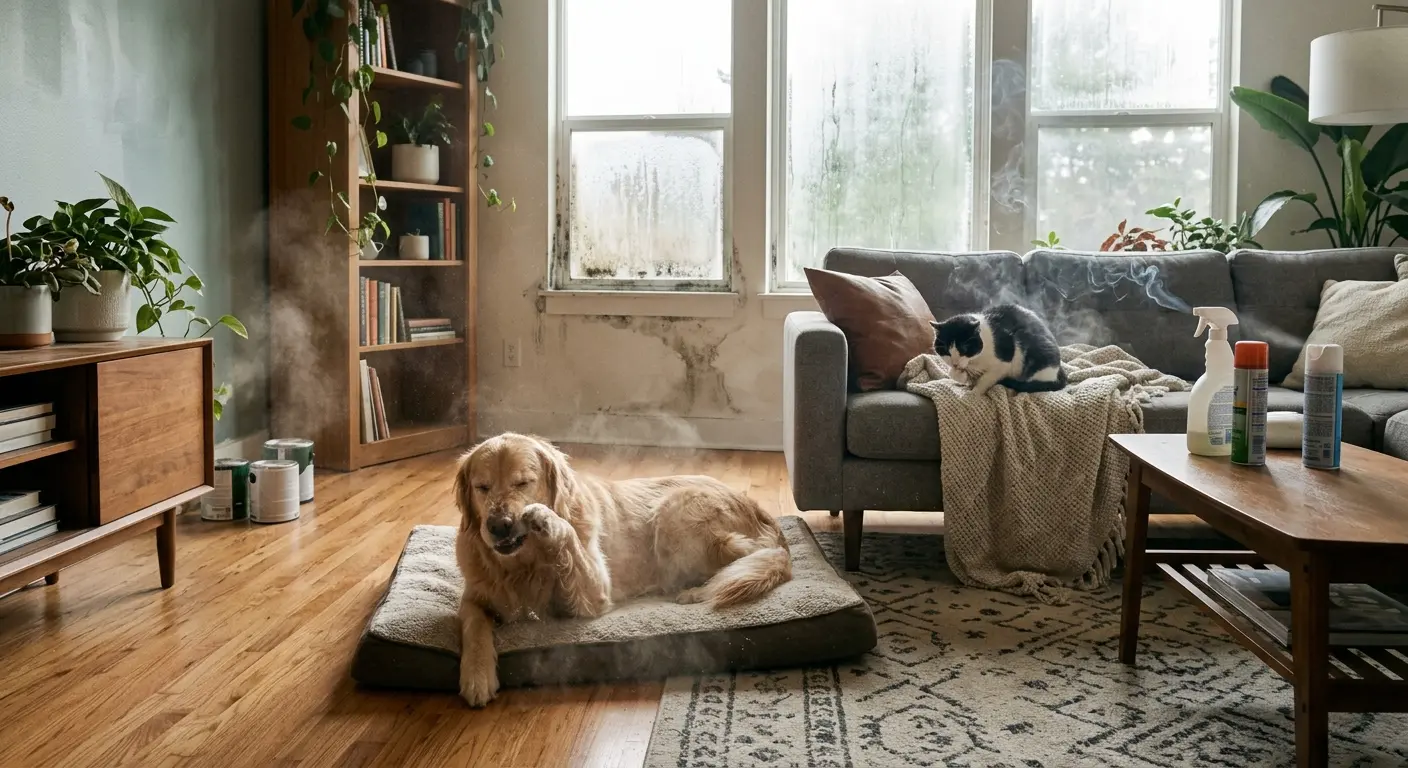
Signs Your Home's Air May Be Affecting Your Pet
Because pets can’t tell us when something feels wrong, it’s important to recognize changes that may suggest poor indoor air quality is affecting their comfort. These signs do not necessarily mean indoor air is the cause, but they deserve attention—especially if they persist or worsen.
Respiratory Signs
Airborne irritants may contribute to respiratory discomfort in some pets. Watch for:
- Frequent coughing
- Sneezing that doesn't improve
- Wheezing or noisy breathing
- Labored breathing
- Increased panting when not related to exercise or heat
Persistent breathing problems should always be assessed by a veterinarian.
Eye and Skin Irritation
Poor indoor air or certain airborne chemicals may also irritate sensitive pets.
Possible signs include:
- Watery or red eyes
- Excessive tearing
- Frequent face rubbing
- Itchy or irritated skin
If irritation develops after introducing a new cleaning product, fragrance, or home improvement material, consider removing the potential source while seeking veterinary advice if symptoms continue.
Behavioral Changes
Sometimes the first indication of an environmental problem is a change in your pet’s behavior.
You may notice:
- Reduced activity
- Restlessness
- Sleeping more than usual
- Avoiding certain rooms
- Less interest in play
Note: These changes can have many causes, so they should never be used to diagnose poor air quality on their own
Pets at Higher Risk
Some animals are naturally more sensitive to indoor pollutants than others, including:
- Puppies and kittens
- Senior pets
- Flat-faced (brachycephalic) breeds
- Pets with existing heart or respiratory conditions
- Pets recovering from illness
For these pets, maintaining clean indoor air can be an especially important part of creating a comfortable home.
Key Takeaway
Small, consistent habits can make your home cleaner and more comfortable for your pets. Focus on ventilation when outdoor air is suitable, regular cleaning, balanced humidity, and reducing pollutants at their source.
How to Improve Indoor Air Quality for Pets
Improving indoor air quality doesn’t require major renovations. A combination of simple daily habits and regular home maintenance can significantly reduce indoor pollutants over time
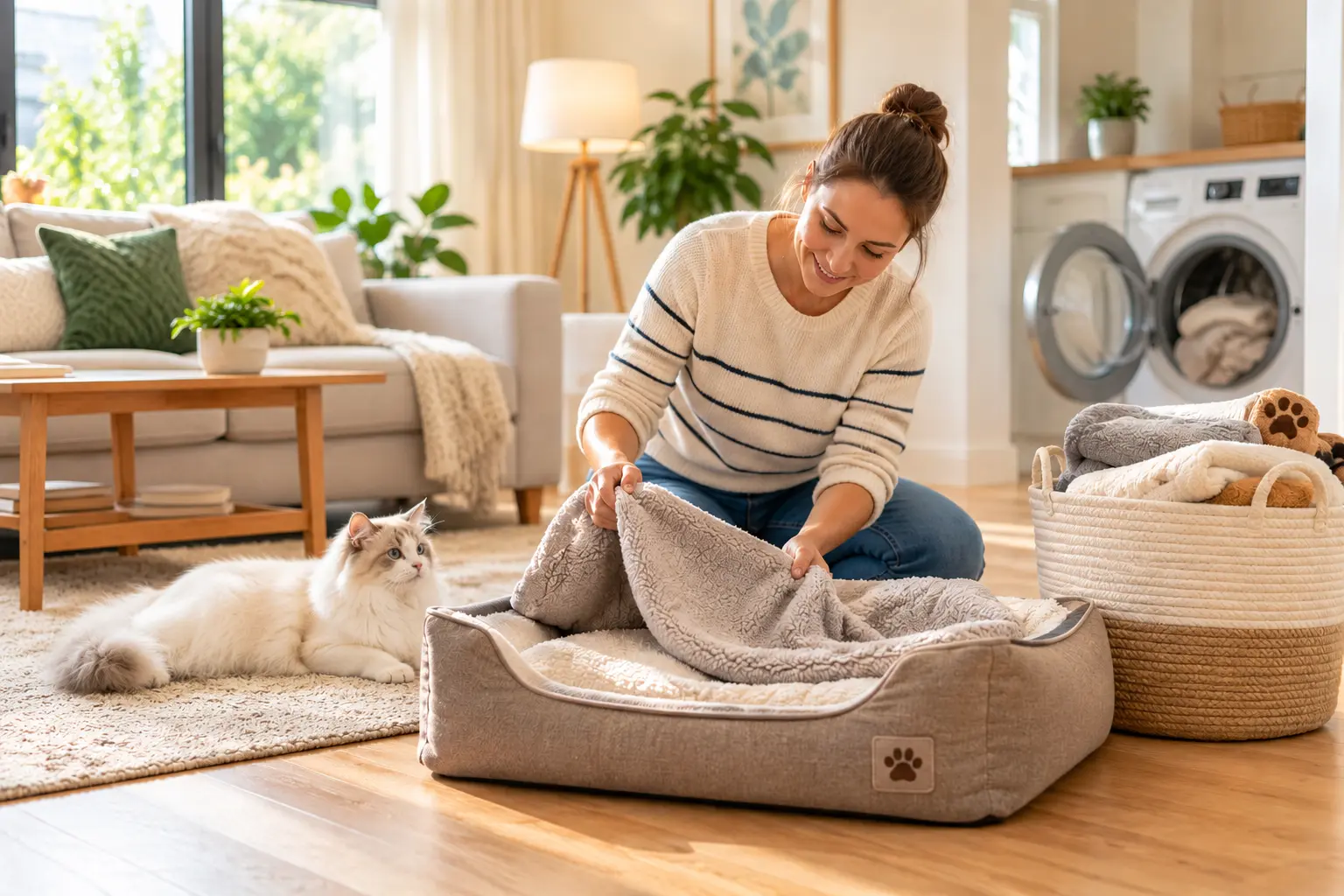
Wash Pet Bedding Regularly
Pet beds, blankets, and washable furniture covers collect hair, dust, and dander over time.
Regular laundering helps reduce these particles while also keeping sleeping areas cleaner and more comfortable.
Maintain HVAC Systems
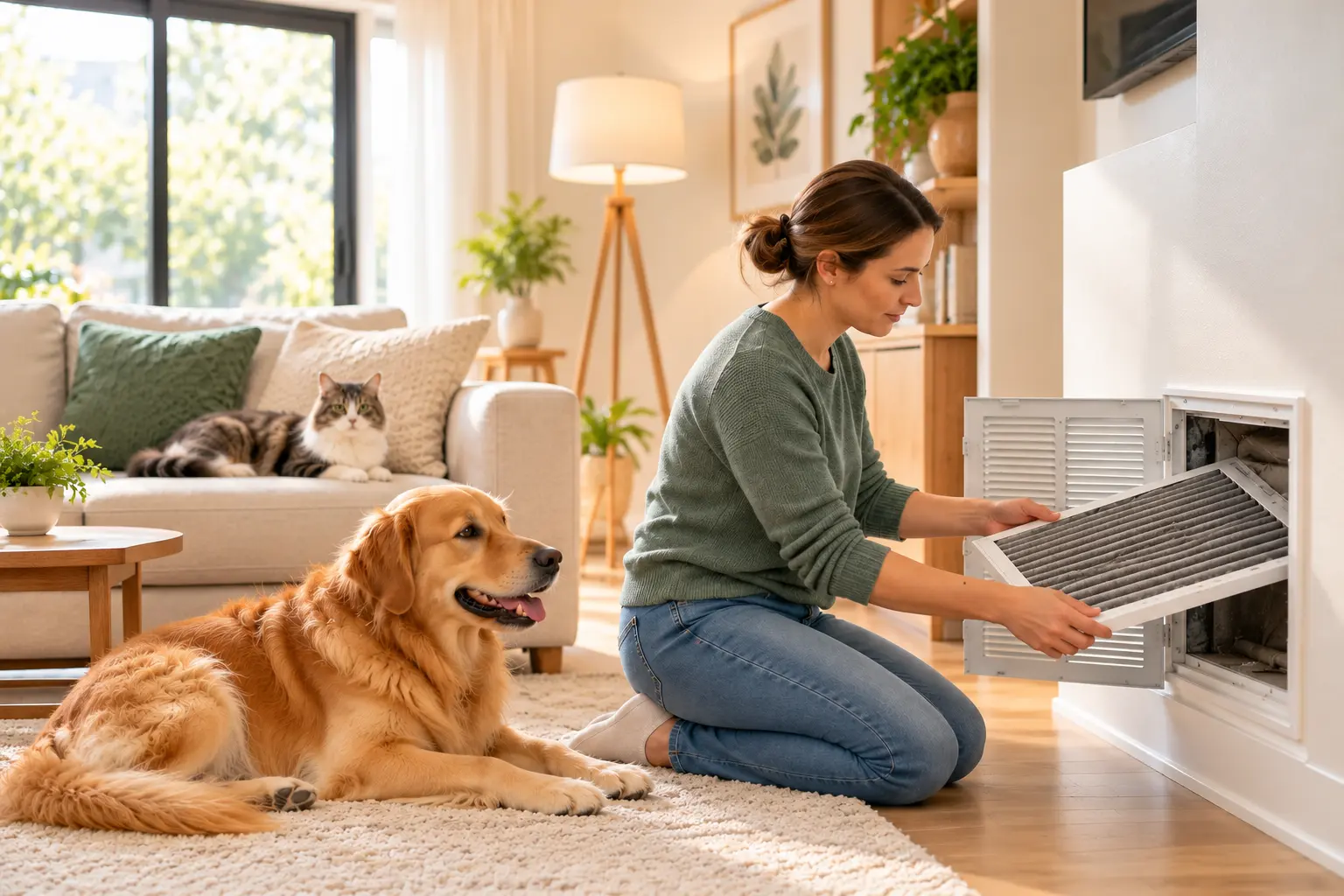
Heating and cooling systems can help improve indoor air when properly maintained.
Remember to:
• Replace HVAC filters on schedule.
• Keep air vents unobstructed.
• Arrange regular servicing when recommended.
Clean filters allow systems to operate more effectively.
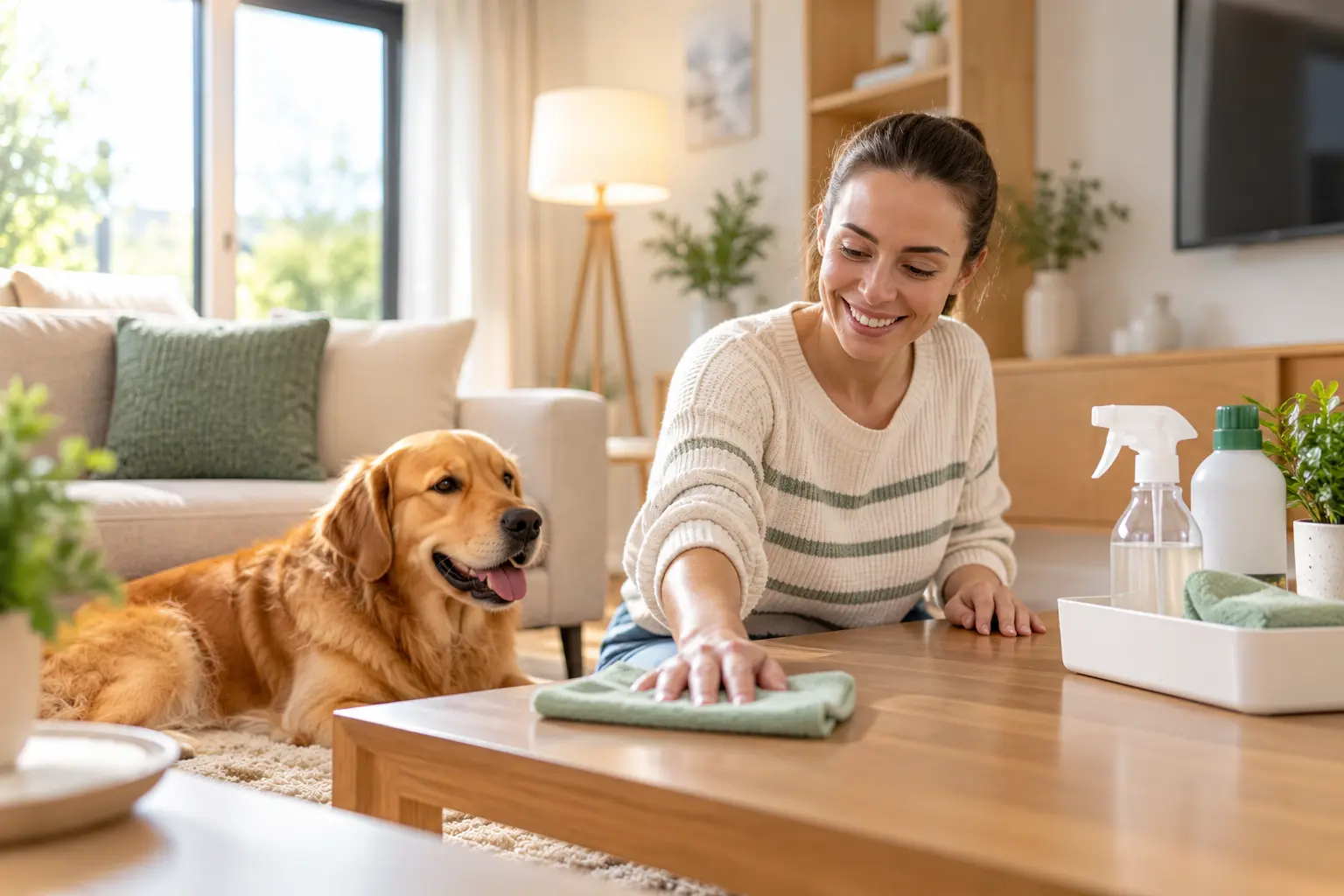
Choose Pet-Safe Cleaning Products
Cleaning products help maintain a healthy home, but harsh chemicals and strong fragrances may reduce indoor air quality.Choose products intended for household use around pets, follow label instructions carefully, and ventilate rooms while cleaning whenever practical.
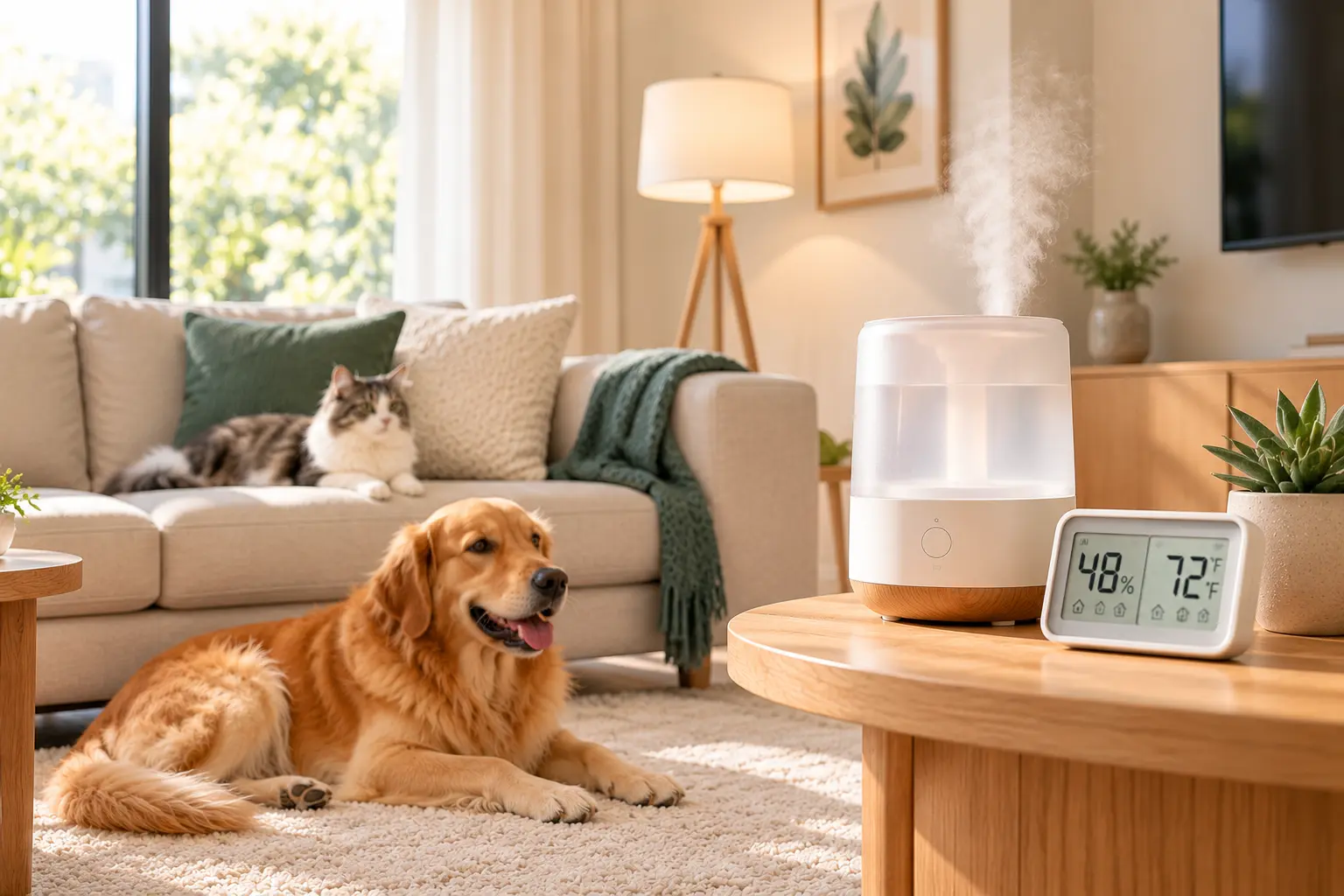
Keep Humidity Balanced
Excess humidity encourages mold growth, while very dry air may cause discomfort for both people and pets.
If needed, use a humidifier or dehumidifier to maintain comfortable indoor humidity according to manufacturer guidance and local environmental conditions.
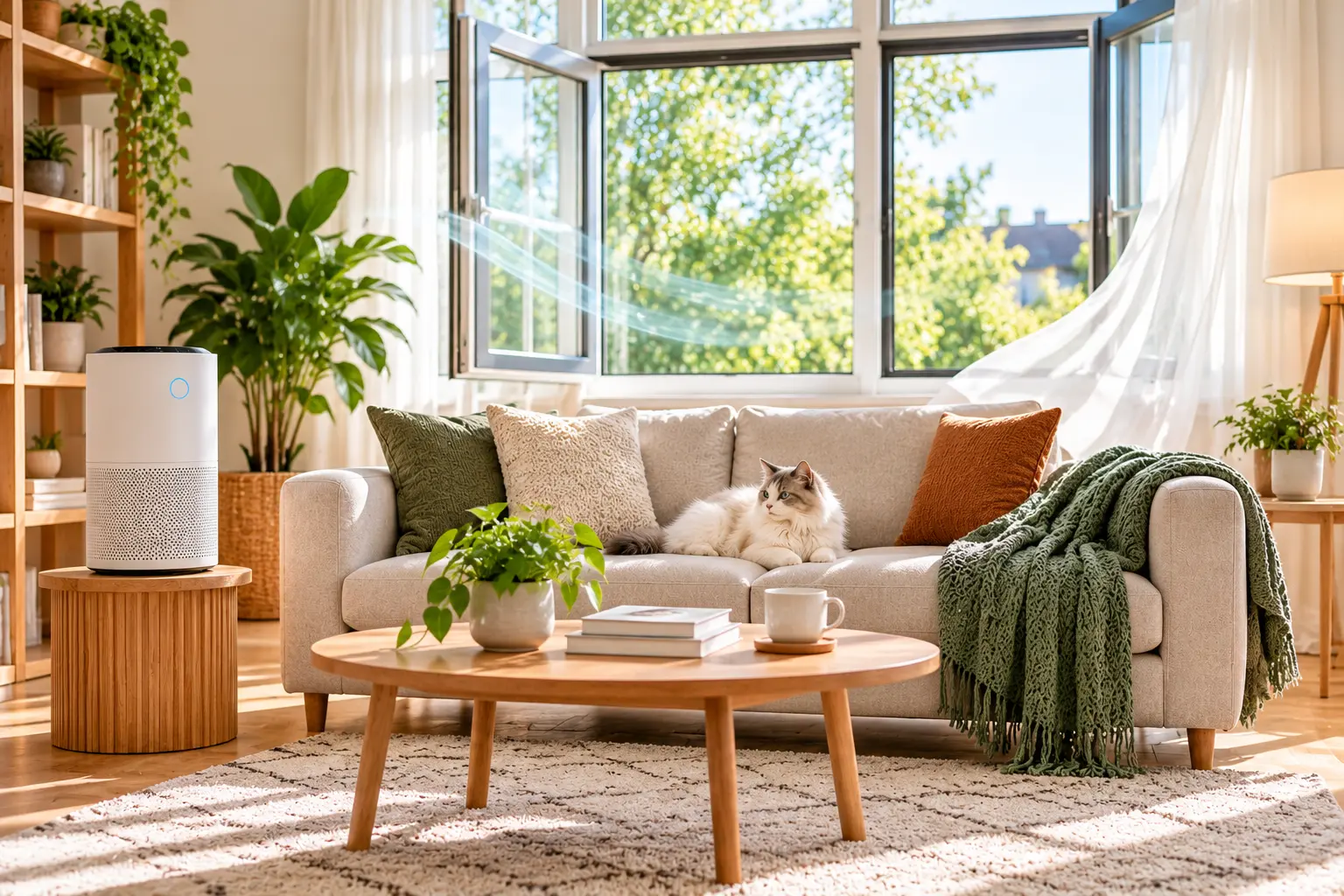
Improve Ventilation
Fresh outdoor air helps dilute indoor pollutants when outdoor conditions are favorable.
You can improve ventilation by:
• Opening windows when weather and outdoor air quality permit.
• Using kitchen and bathroom exhaust fans.
• Allowing fresh air to circulate between rooms.
During periods of wildfire smoke or poor outdoor air quality, keep windows closed and rely on appropriate indoor filtration instead.
Reduce Pollutants at the Source
The most effective way to improve indoor air is to prevent pollutants from building up.
Simple steps include:
• Repair water leaks promptly.
• Avoid smoking indoors.
• Limit the use of scented sprays and candles.
• Store paints, solvents, and chemicals safely.
• Clean litter boxes and feeding areas consistently.
Addressing pollution at its source is usually more effective than relying on air fresheners to hide odors.
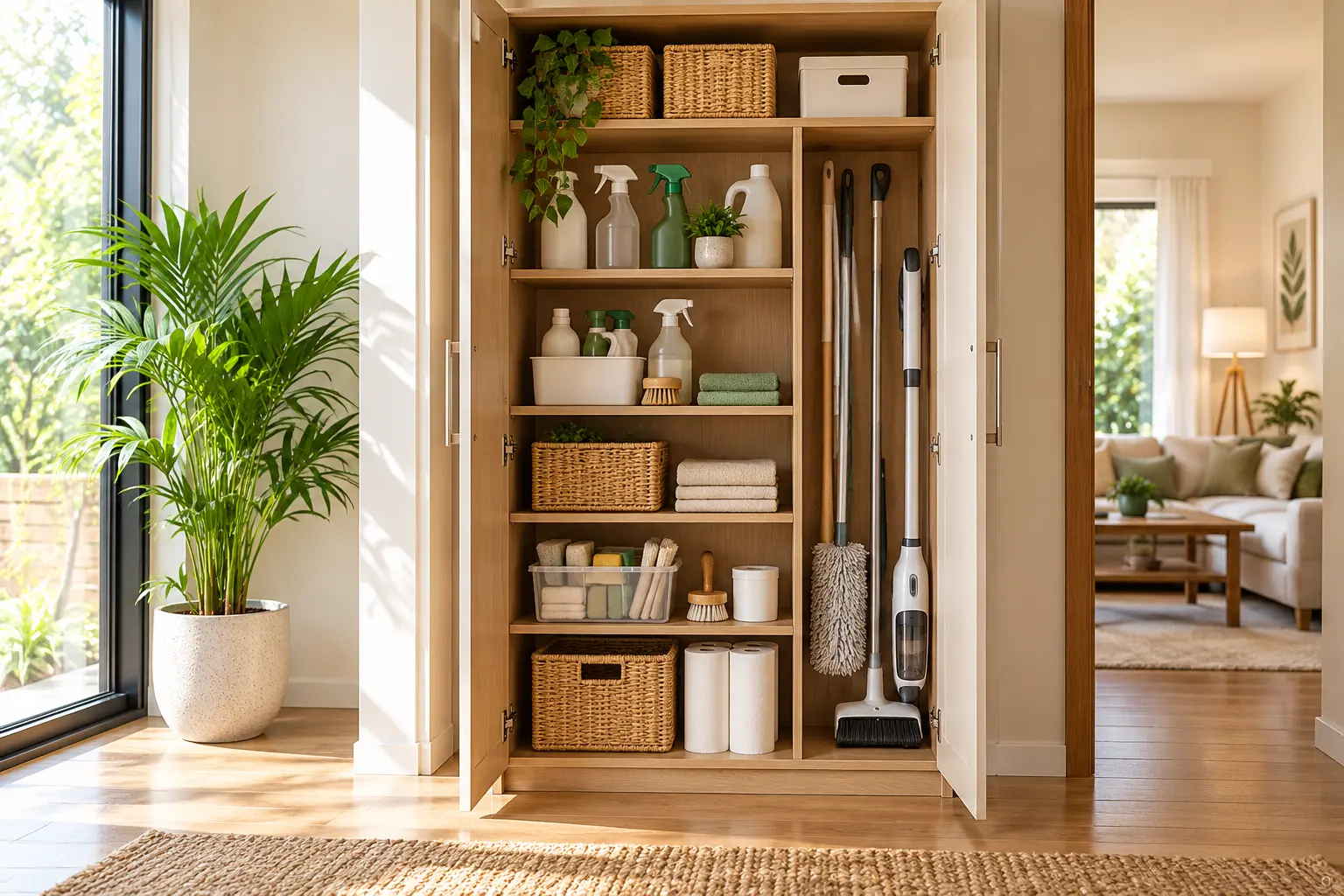
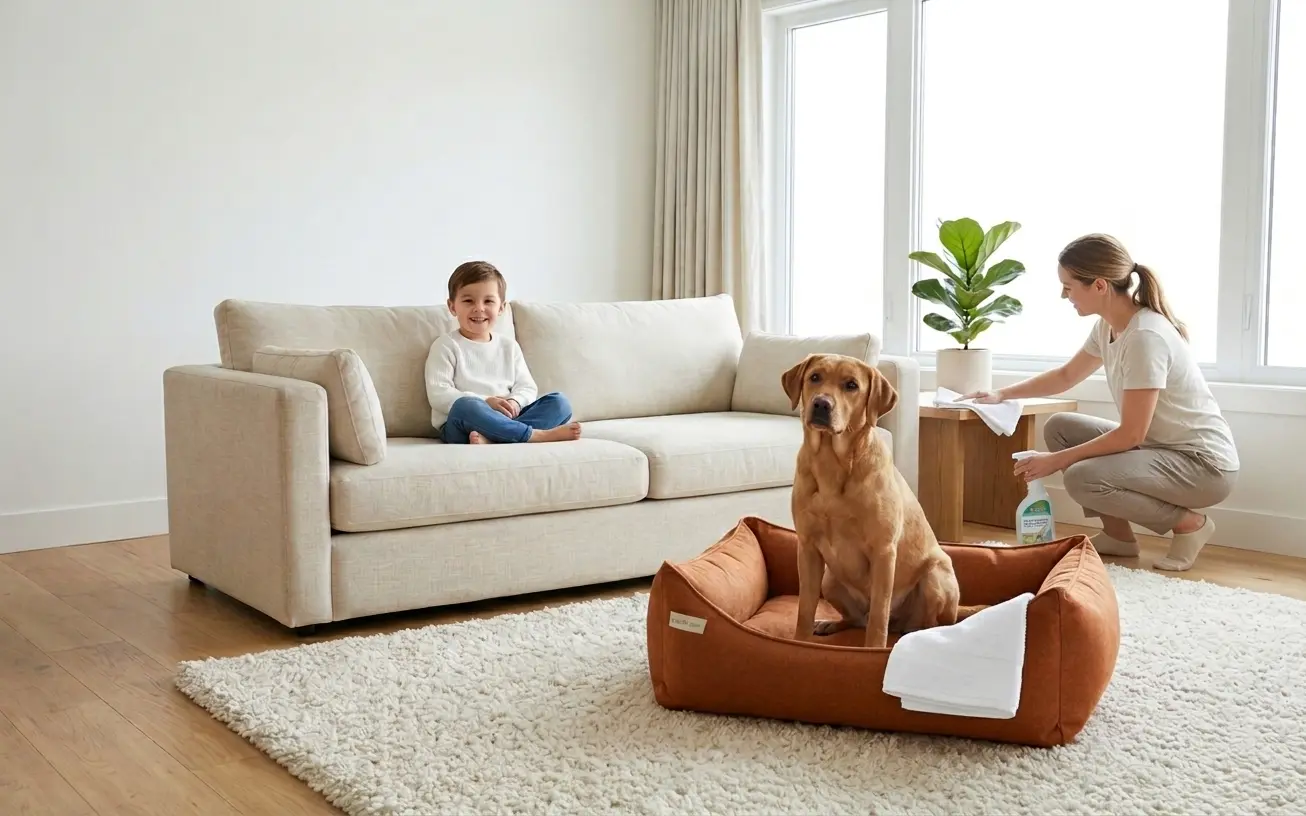
Reduce Dust and Allergenss
Dust naturally builds up in every home, especially where pets spend time.
Helpful habits include:
• Vacuum carpets and upholstery with a HEPA-equipped vacuum.
• Dust surfaces using a damp microfiber cloth.
• Wash pet bedding regularly.
• Brush pets as recommended to help reduce loose hair indoors.
These routines help reduce airborne particles before they accumulate.
Room-by-Room Indoor Air Quality Tips
Different areas of the home present different air quality challenges. A room-by-room approach helps you focus your efforts where they matter most.
Prioritize Regular Grooming
Vacuum rugs and upholstered furniture regularly, dust shelves and electronics, and keep pet bedding clean.
Bedroom
Wash bedding frequently, reduce clutter that collects dust, and ensure good airflow throughout the room.
Kitchen
Use exhaust fans while cooking, clean food preparation areas promptly, and keep pet food stored in sealed containers..
Pet Feeding Area
Clean food and water bowls daily, wipe surrounding floors, and remove leftover food to discourage odors.
Litter Box Area
Scoop litter every day, clean the box regularly, and place it in a well-ventilated location without restricting your cat’s access.
Entryway
Use washable mats to capture dirt before it spreads through the home, especially during wet weather
Apartment Living
Apartment pet owners may have fewer opportunities for natural ventilation. Regular cleaning, good airflow when possible, and appropriate air filtration can help maintain healthier indoor air in smaller living spaces.
Common Mistakes That Reduce Indoor Air Quality
Even well-meaning pet owners can unintentionally reduce indoor air quality through everyday habits.
Common mistakes include:
- Using heavily scented candles, incense, or air fresheners to hide pet odors.
- Ignoring water leaks or damp areas where mold may develop. purifier filters.
- Smoking indoors.
- Using harsh cleaning products without proper ventilation.
- Assuming "natural" products are automatically safe for pets.
Choosing Air Quality Products for Pet Homes
Not every home needs every air quality product. The right choice depends on your home's layout, your pet's needs, and the specific air quality issue you're trying to solve.
HEPA Air Purifier
Activated Carbon Filter
HEPA Vacuum
HVAC Filter
Humidifier / Dehumidifier
A Smarter Approach to Indoor Air Quality
Choose products that address your home's actual needs rather than purchasing multiple devices unnecessarily. Good ventilation, routine cleaning, moisture management, and reducing pollutants at their source remain the foundation of healthier indoor air for pets and people.
Creating a Long-Term Healthy Air Routine
Improving indoor air quality is easier when healthy habits become part of your regular routine.
Daily
- Open windows when outdoor conditions are suitable.
- Wipe up spills promptly.
- Keep litter boxes and feeding areas clean.
Weekly
- Vacuum carpets and upholstered furniture.
- Dust surfaces with a damp microfiber cloth.
- Wash pet bedding and blankets.
Monthly
- Check HVAC and air purifier filters.
- Inspect for moisture, leaks, or mold.
- Clean vents and air returns as needed.
Seasonally
- Monitor local air quality during wildfire smoke or high-pollen periods.
- Adjust ventilation based on weather conditions.
- Review your home's humidity level throughout the year.
Remember: Small, consistent actions often have a greater long-term impact than occasional deep cleaning. A simple routine can help maintain cleaner indoor air and a more comfortable environment for both pets and people.
Frequently Asked Questions
Can an air purifier help homes with pets?
A HEPA air purifier can reduce airborne particles such as dust and pet dander. It works best alongside regular cleaning and good ventilation.
Are essential oils safe around pets?
Some essential oils may be harmful to dogs or cats. Always consult your veterinarian before using essential oil products around pets.
Can poor indoor air affect healthy pets?
All pets benefit from cleaner indoor air, although young, senior, and pets with existing respiratory or heart conditions may be more sensitive to poor air quality.
How often should I replace air filters?
Follow the manufacturer’s recommendations for your HVAC system or air purifier. Dirty filters become less effective over time.
What's the best way to reduce pet odors naturally?
Clean pet bedding regularly, remove waste promptly, improve ventilation, and address odor sources instead of relying on fragrances.
IMPORTANT
When to Seek Veterinary Advice
Indoor air improvements support a healthier home, but they are not a substitute for professional veterinary care.
Arrange a veterinary examination if your pet develops persistent coughing, wheezing, breathing difficulty, unusual nasal or eye discharge, or shows ongoing changes in activity or appetite. Immediate veterinary attention is important if breathing becomes labored or your pet appears to be in distress.
Your veterinarian can determine whether symptoms may be related to environmental factors or another medical condition and recommend appropriate treatment.
References
This guide is informed by educational resources from established veterinary, animal welfare, and environmental health organizations.
- U.S. Environmental Protection Agency (EPA)
- American Veterinary Medical Association (AVMA)
- American Animal Hospital Association (AAHA)
- World Small Animal Veterinary Association (WSAVA)
- ASPCA Animal Poison Control Center
- International Cat Care
- Peer-reviewed veterinary and environmental health research
Editorial Note: TerraPawHome provides educational information to help pet owners create healthier living environments. This content does not replace professional veterinary advice.
Room Checklist
Use this quick checklist throughout your home to maintain cleaner indoor air and a more comfortable environment for your pets.
Small, consistent habits help create a healthier pet-friendly home.
Continue Your Eco Pet Home Journey
Explore All Pet Home Guides designed to help you create a cleaner, greener, and more pet-friendly home.
Core TerraPawHome Guides
Explore our foundational guides for building a cleaner and more pet-friendly home.
Pet Wellness Deep-Dive Guides
Dive deeper into eco-friendly Pet Wellness strategies for everyday pet households.