
The Complete Guide to Pet-Friendly Homes:
Furniture Protection for Pet Owners
Living with pets is one of life’s greatest joys. Whether it’s the excitement of a dog greeting you at the door or the comforting presence of a cat curled up beside you after a long day, pets quickly become cherished members of the family. They bring companionship, laughter, and unconditional love into our homes.
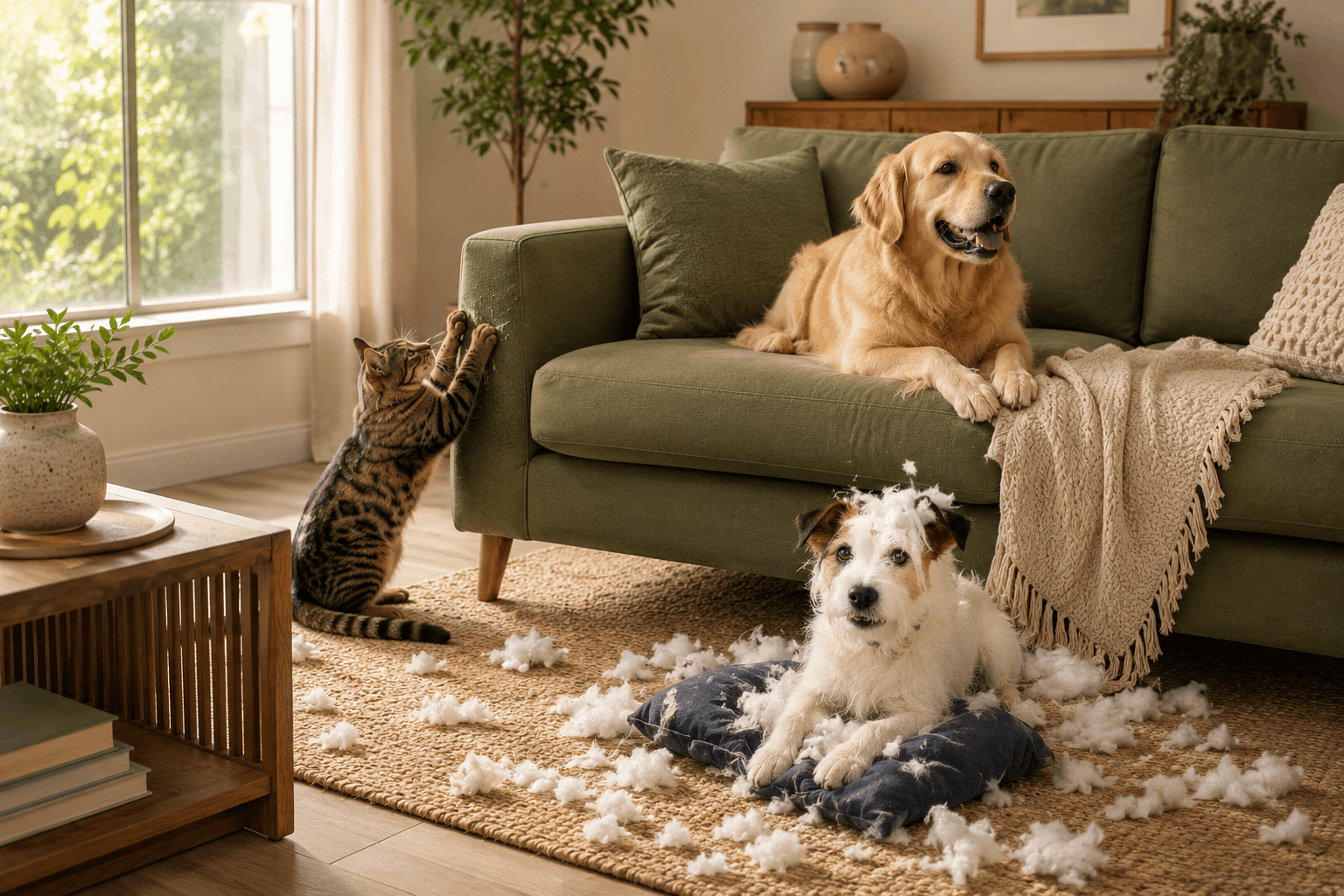
But sharing our homes with pets also comes with a few practical challenges—especially when it comes to protecting our furniture. Pet hair woven into upholstery, muddy paw prints after outdoor adventures, scratches on sofa arms, occasional accidents, and even chewing during puppyhood can take a toll on the furniture we use every day. Many pet owners find themselves wondering whether it’s possible to maintain a beautiful home while still giving their pets the freedom to feel comfortable and included.
The good news is that furniture protection doesn’t mean restricting your pets or turning your house into a no-pet zone. With a few thoughtful choices, practical habits, and pet-friendly solutions, you can protect your furniture while creating a home that works for everyone. Small preventive steps—such as choosing durable materials, establishing simple cleaning routines, and understanding your pet’s natural behaviors—can save money, reduce stress, and significantly extend the life of your furnishings.
At TerraPawHome, we believe pets and beautiful homes should coexist harmoniously. In this guide, you’ll discover effective strategies to manage pet hair, prevent scratches, handle stains and everyday wear, choose pet-friendly furniture materials, and design comfortable spaces that support both your lifestyle and your pet’s wellbeing. Whether you’re raising a playful puppy, living with an energetic cat, or caring for a senior companion, these practical insights will help you create a pet-friendly home you can enjoy for years to come.
What's Inside This Guide
- 01. What Is Furniture Protection for Pet Owners?
- 02. Why Furniture Protection Matters?
- 03. Common Furniture Challenges in Pet Homes
- 04. Choosing Pet-Friendly Furniture Materials
- 05. Sofa Protection Strategies
- 06. Managing Pet Hair on Furniture
- 07. Preventing Cat Scratch Damage
- 08. Dog-Proof Furniture Solutions
- 09. Common Mistakes Pet Owners Make
- 10. Frequently Asked Questions
- 11. Our Commitment to Trustworthy Practical Advice
- 12. Final Thoughts
What Is Furniture Protection for Pet Owners?
Furniture protection for pet owners refers to the strategies, materials, and habits used to minimize damage caused by everyday life with pets while maintaining a comfortable home environment.
Pets naturally explore their surroundings using their paws, claws, fur, and senses. Dogs may jump onto sofas after outdoor play, while cats instinctively scratch surfaces to stretch and maintain their claws. Even well-trained pets contribute to daily wear through shedding, movement, and simple routines that are part of their normal behavior.
Protecting furniture does not mean preventing pets from enjoying family spaces. Instead, it involves taking proactive measures that help reduce the impact of these natural behaviors. This can include selecting durable fabrics, using washable covers, establishing grooming routines, and providing appropriate outlets for scratching and play.
A common misconception is that furniture protection is only necessary after damage occurs. In reality, prevention is often more effective and affordable than replacement or extensive repairs. Small adjustments made early can significantly extend the lifespan of sofas, chairs, cushions, rugs, and other household furnishings.
Furniture protection is also an important aspect of responsible pet ownership. By creating an environment that accommodates your pet’s needs while safeguarding your belongings, you reduce frustration for both pets and people. This balanced approach contributes to a calmer, more harmonious home where pets remain integrated members of the family.
Key Takeaway
Furniture protection isn't about restricting pets. It's about creating a home that supports natural pet behaviors while preserving the comfort, appearance, and functionality of your furnishings.
Why Furniture Protection Matters?
Furniture represents a significant investment in any household. For pet owners, protecting that investment is not simply about maintaining appearances—it’s about creating a practical and sustainable lifestyle that supports the needs of the entire family.
One of the most obvious benefits of furniture protection is financial savings. Replacing sofas, repairing upholstery, or restoring damaged furnishings can be expensive. Preventive measures such as protective covers, routine maintenance, and pet-friendly materials often cost far less than addressing major damage later.
Furniture protection also contributes to a cleaner home environment. Pet hair, dirt, and allergens can accumulate quickly on upholstered surfaces. By implementing effective protection strategies, pet owners can simplify cleaning routines and improve overall household hygiene.
Another important advantage is stress reduction. Constantly worrying about muddy paws on the couch or scratches on favorite chairs can create tension within the home. When furniture is protected appropriately, families can focus more on enjoying time with their pets rather than reacting to accidents or damage.
From a sustainability perspective, extending the lifespan of household items reduces unnecessary waste. Choosing durable products and caring for them properly aligns with more environmentally conscious living practices.
Most importantly, thoughtful furniture protection promotes harmony between pets and people. Instead of establishing unrealistic restrictions, families can create spaces that acknowledge the realities of pet ownership while preserving comfort and style.
Pets enrich our lives in countless ways. Protecting furniture simply ensures that the homes we share with them remain functional, welcoming, and enjoyable for years to come.
Saves Money
Preventive care costs less than repairs and replacements.
Cleaner Home
Reduce pet hair, dirt, and allergens through simple routines.
Less Stress
Spend more time enjoying pets instead of worrying about damage.
Sustainable Living
Extend furniture lifespan and reduce unnecessary waste.
Common Furniture Challenges in Pet Homes
Every household is different, but most pet owners face similar furniture challenges. Understanding these common issues makes it easier to choose the right prevention strategies and create a more comfortable home for everyone.
Pet Hair Everywhere
Fur gets woven into fabrics and seems to multiply overnight, especially during seasonal shedding periods. Regular grooming, washable covers, and pet-friendly fabrics can significantly reduce buildup.
Scratching Damage
Cats scratch to stretch, maintain their claws, and mark territory. Providing scratching alternatives near furniture helps redirect this natural behavior effectively.
Stains and Wet Accidents
Muddy paws, water splashes, and occasional accidents are common realities of pet ownership. Protective layers help prevent permanent stains and lingering odors.
Chewing and Destructive Behavior
Puppies often explore the world through chewing, especially during teething stages. Appropriate chew toys and supervision help protect furniture edges and cushions.
General Wear Over Time
Repeated use gradually causes flattened cushions, fabric breakdown, and uneven wear. Simple maintenance routines can extend furniture lifespan considerably.
Choosing Pet-Friendly Furniture Materials
Even without any single incident, pets climbing up and settling into the same spots repeatedly causes uneven wear, flattened cushions, and fabric breakdown over time. This is slower and less dramatic, but it adds up.Selecting the right furniture materials is one of the smartest decisions pet owners can make. While no fabric is completely immune to everyday wear, some materials are far better suited to the realities of living with dogs and cats. Choosing wisely from the beginning can save money, simplify cleaning routines, and significantly extend the lifespan of your furniture.The ideal pet-friendly furniture material should be durable, easy to clean, resistant to odors, and capable of handling pet hair, muddy paws, and daily use without quickly showing signs of damage. Fortunately, practical choices don't mean sacrificing comfort or style.
| Material | Key Benefits | Best For |
|---|---|---|
| Microfiber | Tightly woven fibers resist embedded pet hair, dirt, and minor scratches. | Homes with both dogs and cats. |
| Performance Fabrics | Engineered to resist stains, moisture, and heavy wear. | Active households and spill-prone areas. |
| Canvas & Heavy Cotton Blends | Durable, breathable, and practical with removable covers. | Families seeking washable solutions. |
| Leather Alternatives | Pet hair wipes away easily and odors don't become trapped. | Homes prioritizing easy fur management. |
Microfiber
Microfiber remains one of the best upholstery choices for pet owners. Its tightly woven structure prevents pet hair and dirt from becoming deeply embedded, making routine maintenance much easier. Most everyday stains can be addressed quickly, and the fabric generally withstands light scratching better than loosely woven materials. For families with both dogs and cats, microfiber offers an excellent balance between durability, comfort, and affordability.
Performance Fabrics
Performance fabrics are specifically designed to handle the challenges of modern family life. These materials resist stains, moisture, and daily wear while still providing a stylish appearance. Many newer performance fabrics also incorporate easy-clean technology, making them particularly appealing for homes with energetic pets, puppies in training, or frequent muddy paw encounters.
Canvas and Heavy-Duty Cotton Blends
Canvas and tightly woven cotton blends provide impressive resistance to everyday pet traffic. They are breathable, versatile, and often work exceptionally well with removable, washable slipcovers. While they may not offer the luxurious feel of some premium materials, their practicality makes them a dependable choice for active households.
Leather and Leather Alternatives
Leather is often recommended for pet-friendly homes because pet hair sits on the surface and can be wiped away easily. It also resists odor absorption better than many fabric alternatives. However, cat claws and repeated scratching may leave visible marks over time. High-quality leather alternatives can provide a similar appearance and ease of maintenance at a more accessible price point.
Materials That Require Extra Care
These Includes :
• Velvet
• Silk
• Loose-weave fabrics
• Delicate decorative textiles
• Highly textured upholstery
Although these materials can look beautiful, they tend to trap pet hair more easily, snag under scratching, and show stains or daily wear more quickly than durable alternatives.
Key Takeaway
The best pet-friendly furniture materials balance durability, comfort, and ease of maintenance. Choosing fabrics that match your pets' behaviour and your household's lifestyle can help keep furniture looking its best for years to come.
Sofa Protection Strategies
Use Washable Sofa Covers
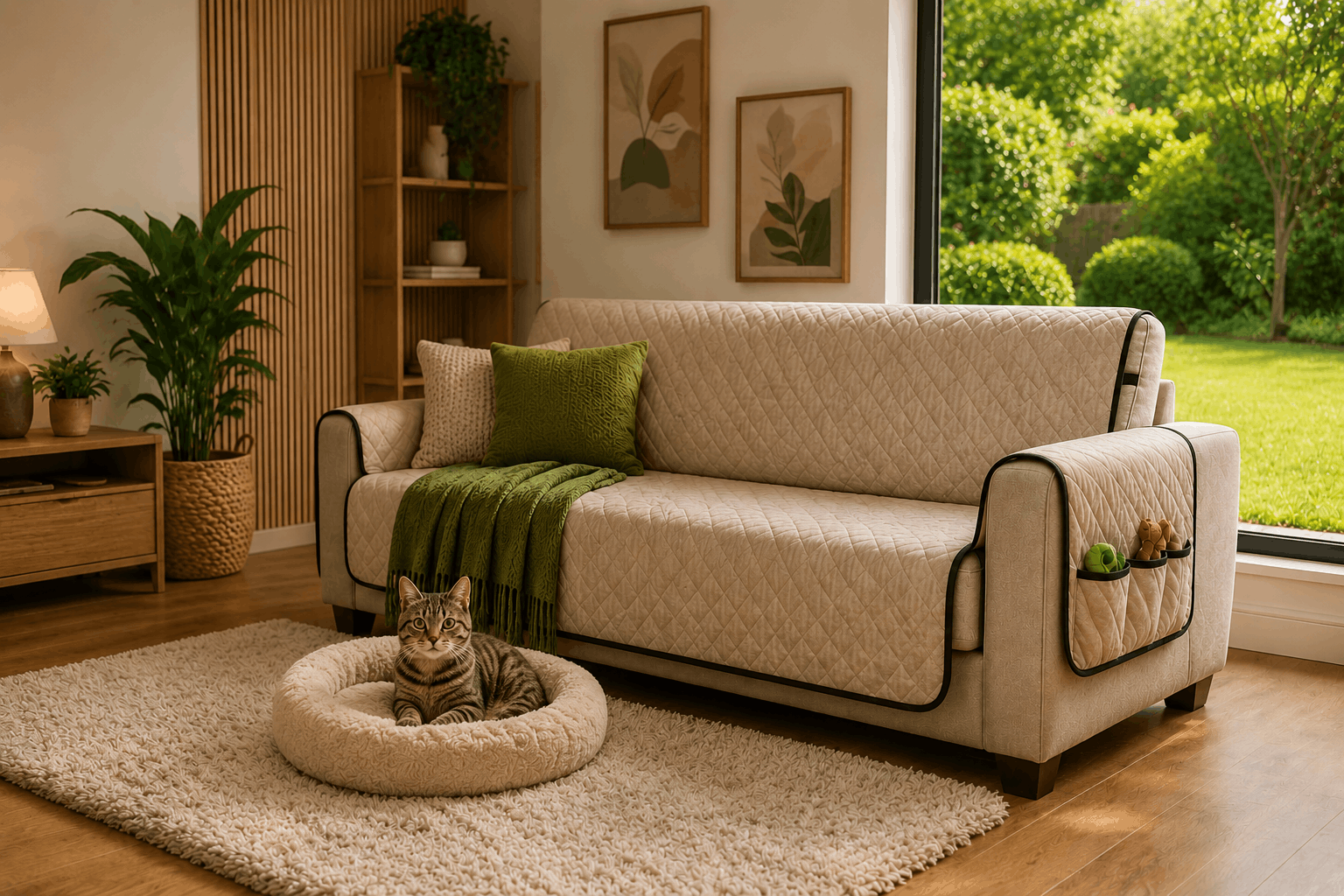
One of the easiest ways to protect a sofa from pets is by using washable sofa covers. These covers create a protective barrier between your pet and the upholstery, helping shield furniture from pet hair, dirt, muddy paws, accidental spills, and everyday wear.
Give Your Pet Their Own Spot
Providing a dedicated pet blanket on one section of the sofa—or placing a comfortable pet bed nearby—can encourage pets to settle in designated areas. Many pets naturally return to familiar resting spots once they've claimed them.
Protect High-Traffic Areas
Pets often develop favorite spots, whether it's the corner cushion near the window or the armrest closest to the front door. Small throws, protective covers, or washable mats placed strategically can make a noticeable difference over time.
Establish Regular Grooming Routines
Protecting furniture starts long before pet hair reaches the sofa. While grooming needs vary depending on breed type and seasonal shedding patterns, consistency remains one of the most effective ways to reduce pet hair accumulation on furniture.
Rotate Cushions Periodically
Rotating sofa cushions helps distribute pressure more evenly and reduces excessive flattening in frequently used areas. Although it only takes a few minutes, this simple habit can significantly improve the longevity, comfort, and appearance of upholstered furniture.
For more inspiration and practical ideas, explore our complete guide to Sofa Protection.
PET-FRIENDLY LIVING
Balance Boundaries and Comfort
Every household has different preferences regarding pets and furniture access. Some families welcome pets onto the sofa, while others encourage the use of nearby pet beds or designated resting areas.
There is no universal right or wrong approach. The key is consistency. Clear expectations help pets understand routines while reducing confusion and stress.Ultimately, effective sofa protection is not about limiting affection or companionship.
It’s about creating practical systems that support both your home’s functionality and the special bond you share with your pets. With a few thoughtful habits and pet-friendly solutions, you can protect your sofa while continuing to enjoy the comfort and connection that make a house feel like home.
Managing Pet Hair on Furniture
Pet hair is one of the most common concerns among pet owners. Even breeds known for minimal shedding contribute some level of fur accumulation throughout the home. Fortunately, a proactive approach can significantly reduce the impact of pet hair on furniture.
Prioritize Regular Grooming
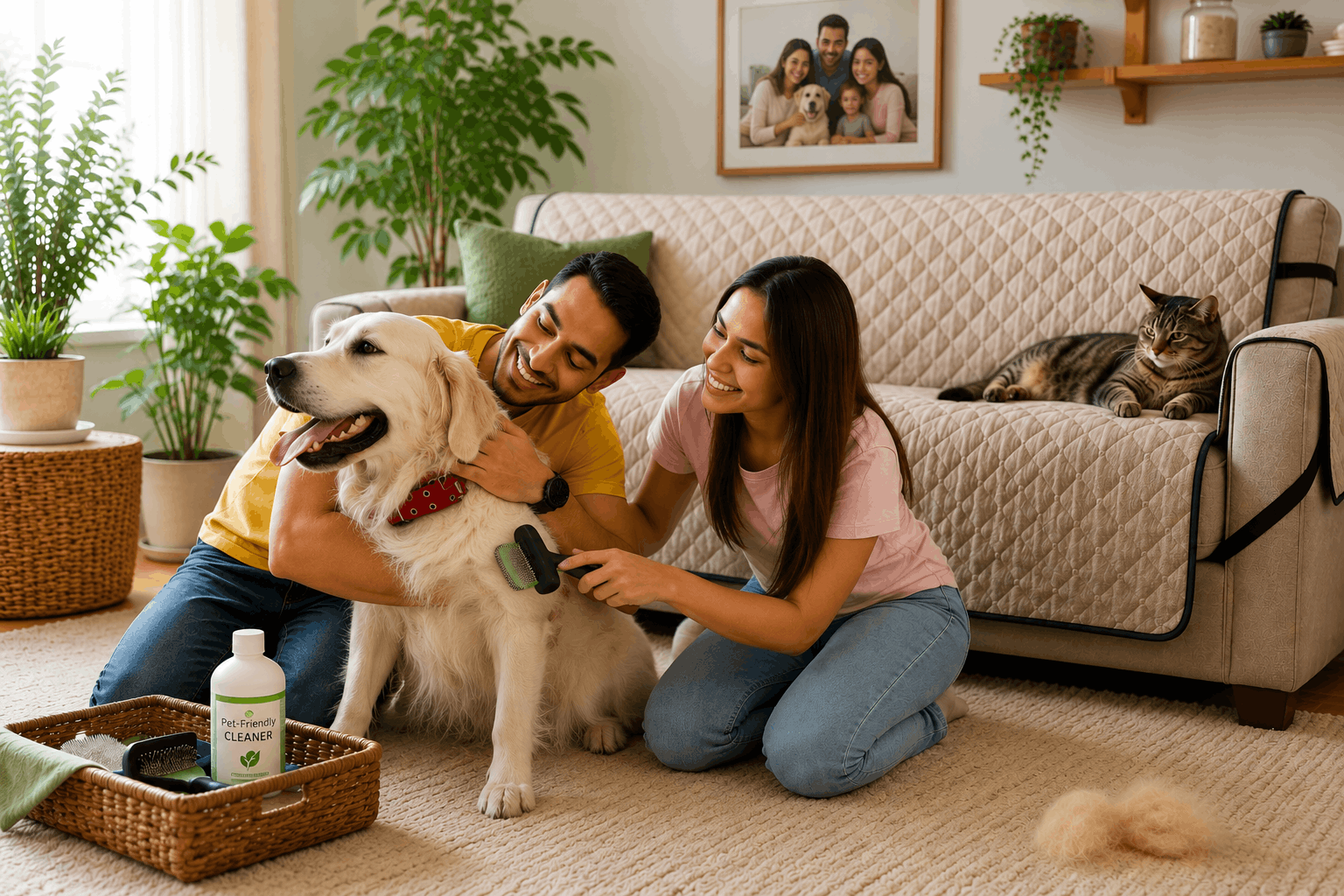
Routine grooming removes loose fur before it settles into upholstery. Brushing sessions also provide opportunities to monitor coat condition and strengthen the bond between pets and their owners.
Vacuum Strategically
Vacuum cleaners equipped with upholstery attachments can efficiently remove embedded fur from sofas, chairs, and cushions. Focusing on pet-favored areas several times each week prevents excessive buildup.
Use Lint Removal Tools
Lint rollers, reusable brushes, and specialized pet hair tools offer convenient solutions for quick touch-ups between deeper cleaning sessions. Keeping these tools accessible encourages consistent use.
Wash Protective Covers Frequently
Machine-washable covers simplify hair management considerably. Following manufacturer recommendations helps preserve fabric integrity while maintaining cleanliness.
Support Indoor Air Quality
Air purifiers may help capture airborne particles associated with pet dander. Although they do not eliminate shedding, they contribute to a cleaner overall environment.
Pet Hair Management Checklist
- Groom regularly
- Vacuum pet-favorite areas
- Keep lint rollers nearby
- Wash protective covers
- Use air purifiers when needed
Pet hair is a normal aspect of pet ownership. Through regular maintenance and practical routines, families can manage it effectively without sacrificing the warmth and companionship pets bring into the home.
For more inspiration and practical ideas, explore our complete guide to Pet Hair Control.
Preventing Cat Scratch Damage
Scratching is a completely natural and healthy behavior for cats. It helps them stretch their muscles, remove old claw sheaths, mark their territory through scent glands in their paws, and release energy. Understanding these instincts is the first step toward protecting your furniture without creating stress for your cat.
If your cat is scratching the sofa, it usually doesn’t mean they’re being destructive or disobedient. More often, it means they haven’t been given an alternative that meets their needs in the right location.
Why Do Cats Scratch?
1. Stretch muscles
3. Mark territory
2. Remove old claw sheaths
4. Release energy
Provide Appropriate Scratching Alternatives
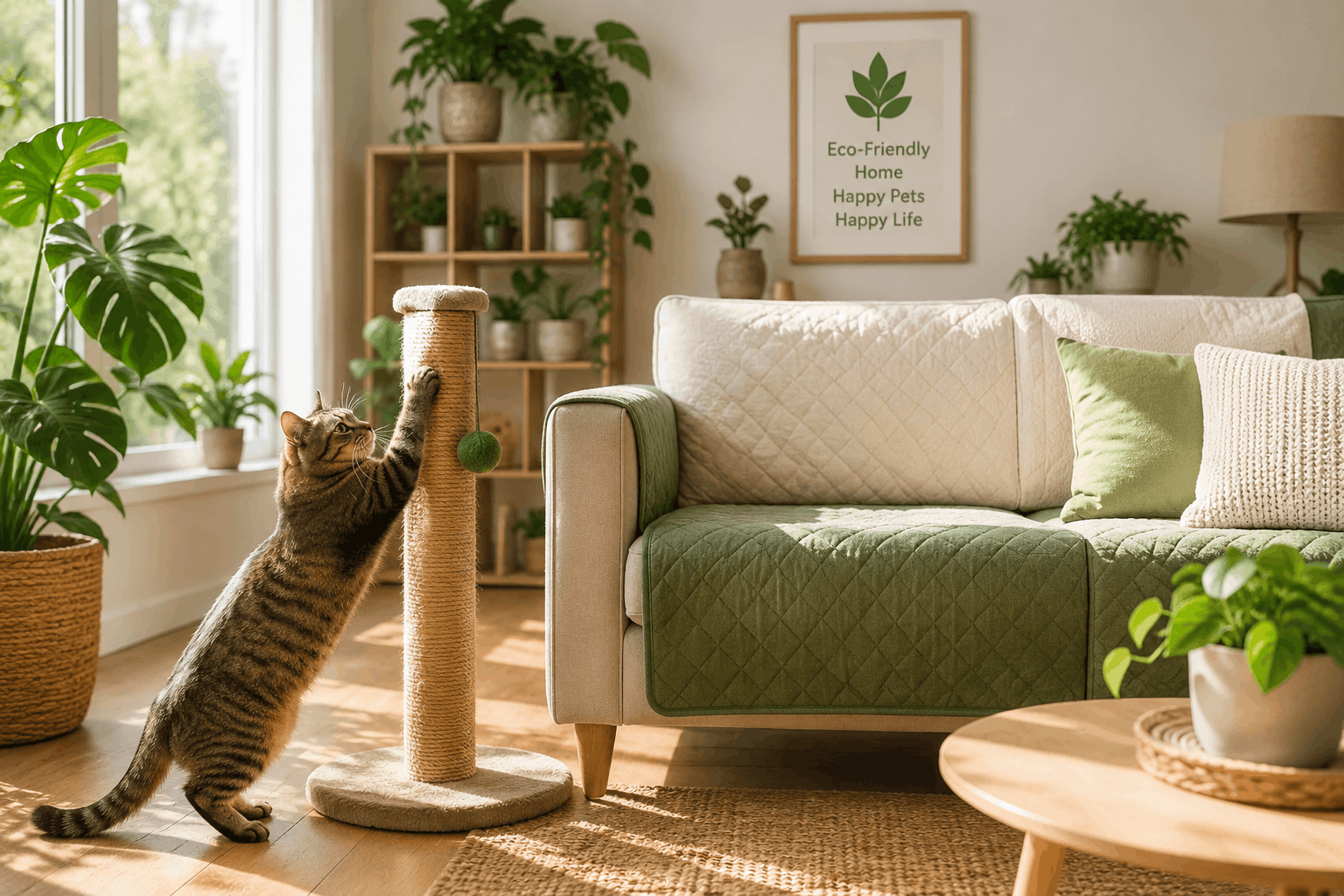
A scratching post should be appealing enough to compete with your furniture. Sisal rope, corrugated cardboard, and carpet-free scratching surfaces tend to be popular choices, although every cat has individual preferences. Offering a few different options can help you discover what works best.
Strategic Placement Matters
A scratching post hidden in an unused corner of the house is unlikely to attract much attention. Cats naturally scratch in areas where they spend time, such as near their sleeping spots, beside the sofa, or close to sunny windows.
Positioning scratching alternatives near previously targeted furniture greatly increases the likelihood of successful redirection.
Reward Desired Behavior
Positive reinforcement is one of the most effective ways to encourage appropriate scratching habits. When your cat uses a scratching post, acknowledge the behavior with praise, treats, affection, or interactive play.
Consistent encouragement helps cats develop lasting preferences for approved scratching areas.
Keep Claws Properly Maintained
Regular nail trimming can reduce the severity of accidental scratches on furniture and household surfaces. Pet owners who are unfamiliar with nail care techniques should seek guidance from their veterinarian or a qualified grooming professional.
Routine claw maintenance supports both feline comfort and furniture protection.
IMPORTANT
Avoid Punishment
Punishing a cat for scratching furniture rarely solves the problem and may increase fear, stress, and anxiety. Scratching is a natural behavior that helps cats stretch, mark territory, and maintain healthy claws.
Instead of punishment, focus on positive reinforcement and provide attractive scratching alternatives near the areas your cat prefers. Rewarding desired behavior helps build long-term habits while protecting your furniture.
Understanding your cat’s natural instincts is the most effective way to prevent scratching damage and create a happier home for both pets and owners.
For more inspiration and practical ideas, explore our complete guide to Cat Scratch Protection.
Dog-Proof Furniture Solutions
Dogs bring a lot of energy into a home. Muddy paws, excited jumping, enthusiastic chewing during puppyhood, and the habit of circling seventeen times before settling on the best cushion — all of this is part of the deal. Here’s how to stay ahead of it.
DOG-FRIENDLY FURNITURE STRATEGIES
Choose Durable from the Start
Select tightly woven fabrics, stain-resistant upholstery, and sturdy construction that can withstand everyday dog activity.
Redirect Chewing with Good Alternatives
Provide appropriate chew toys and protect furniture legs during heavy teething periods.
Create a Comfortable Designated Spot
Place a comfortable dog bed beside the sofa or favorite chair so your dog can remain close to the family.
Have a Paw-Cleaning Routine
Keep towels and mats near entry points to reduce mud, dirt, and moisture reaching furniture.
Consistency Matters
Whether dogs are allowed on furniture or not, every family member should follow the same rules. Consistency reduces confusion and makes training significantly easier.
Key Takeaway
Dog-proof furniture solutions work best when durability, routine, and consistency come together. Choosing pet-friendly materials, providing comfortable alternatives, managing muddy paws, and encouraging appropriate chewing habits can significantly reduce furniture damage while keeping dogs happy and comfortable.
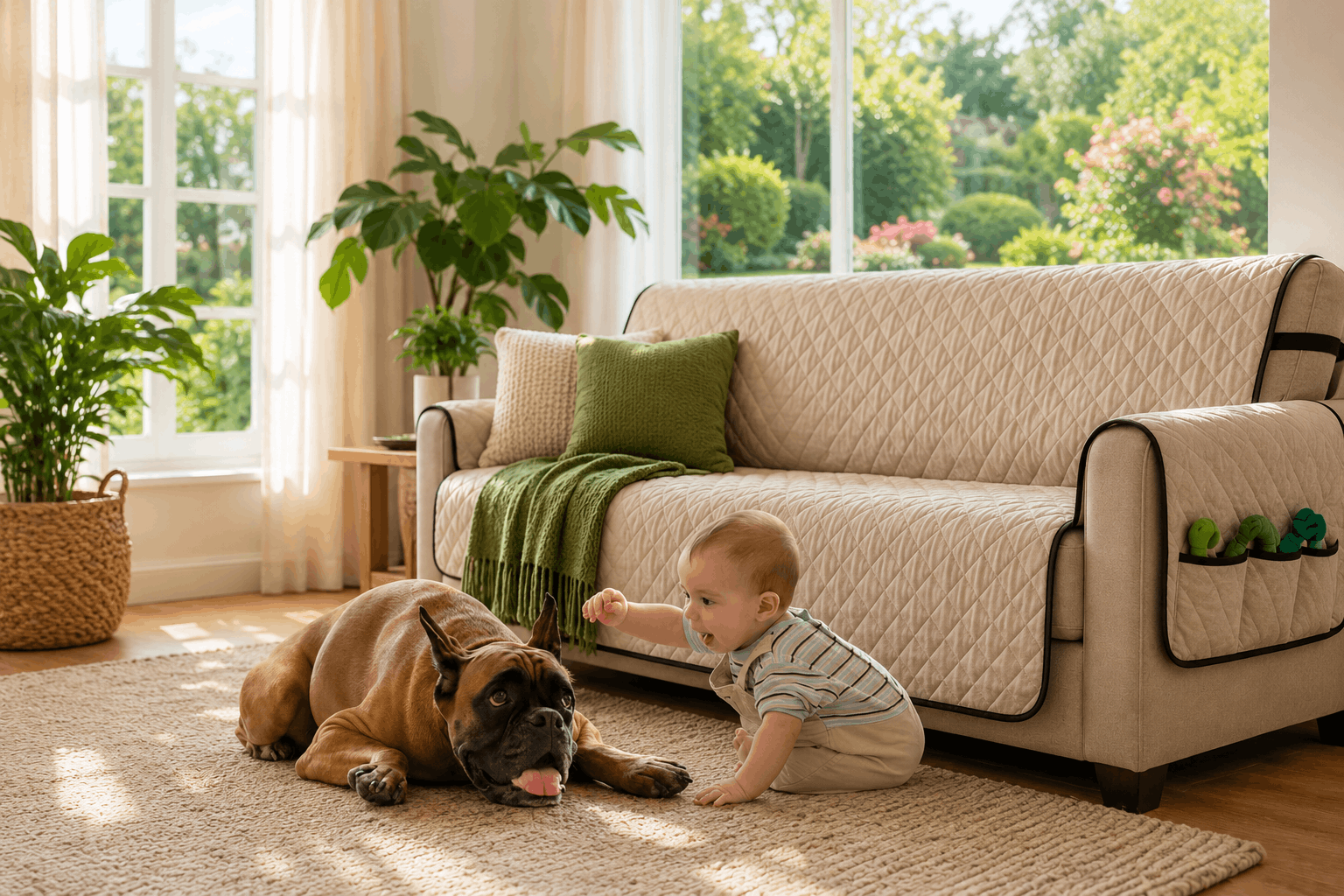
For more inspiration and practical ideas, explore our complete guide to Dog-Proof Furniture.
Common Mistakes Pet Owners Make When Protecting Furniture
Even well-intentioned pet owners run into the same avoidable problems. Recognizing these mistakes early can help protect furniture, reduce frustration, and create a more comfortable environment for both pets and people.
Waiting Until There's Damage
Protection works best before something goes wrong. Once a sofa is heavily scratched or a cushion is stained through, the options are repair or replacement. Setting up simple preventive measures from the beginning is always easier.
Choosing Looks Over Practicality
A sofa that looks stunning in a catalog may be a poor choice for a household with a large shedding dog. Balancing aesthetics with durability and ease of maintenance saves significant frustration over time. The most stylish option is the one that still looks good two years later.
Ignoring Natural Behaviors
Trying to stop a cat from scratching entirely, or expecting a puppy not to chew anything during teething, sets everyone up for frustration. Working with your pet’s natural behaviors — redirecting rather than suppressing — produces much better results.
Using Cleaning Products That Aren't Pet-Safe
It’s easy to grab whatever is under the sink without thinking about whether it’s appropriate for surfaces your pet lies on. This is worth slowing down on — checking that what you’re using is safe is a small step that matters.
Inconsistent Rules
This is perhaps the most common mistake. When household rules about furniture use aren’t consistent, pets don’t know what’s expected. Confusion leads to anxiety and makes training almost impossible. Whatever rules you set, make sure everyone follows them.
Expecting Perfection
A home with pets will have some signs of that life. A bit of fur on the sofa, a well-loved corner on a chair, the occasional muddy paw print on the rug — these are part of what it looks like to share your home with animals you love. The goal is a clean, functional, comfortable home — not a showroom.
Key Takeaway
The most successful pet-friendly homes focus on prevention, consistency, and realistic expectations. Small daily habits often prevent the most common furniture problems before they start.
Frequently Asked Questions
How can I protect my sofa from pets without keeping them off it?
The most practical combination is a washable sofa cover, a dedicated pet blanket on their preferred spot, and a regular grooming routine to reduce shedding. Together these protect the upholstery while still letting your pet enjoy the couch.
What furniture materials work best in a home with pets?
Microfiber, performance fabrics, tightly woven canvas, and certain leather alternatives all hold up well. They resist everyday wear, are easier to clean, and don’t trap pet hair as severely as loosely woven or textured fabrics.
How do I stop my cat from scratching the furniture?
Provide a scratching post that genuinely competes — tall, stable, and made of material your cat likes. Position it near where they already spend time. Reward them when they use it. Punishment doesn’t work and damages trust; redirecting does.
Are waterproof furniture covers worth buying?
Provide a scratching post that genuinely competes — tall, stable, and made of material your cat likes. Position it near where they already spend time. Reward them when they use it. Punishment doesn’t work and damages trust; redirecting does.
How often should I wash furniture covers when I have pets?
Every one to two weeks is a reasonable baseline for most households. If your pet sheds heavily or there’s been an accident, wash sooner. Consistent washing prevents buildup and keeps allergens in check.
Can I train my dog to stay off the furniture?
Yes. With consistent rules across all family members, positive reinforcement for using their own space, and a genuinely comfortable alternative to the sofa, most dogs adapt well. The key word is consistent — mixed messages make this very difficult.
Are furniture cleaning sprays safe to use around pets?
Not all of them. Always read labels and look for products specifically noted as pet-safe. Enzyme-based cleaners are generally a good choice for pet households. When in doubt, ask your vet.
What's the easiest furniture to maintain with pets?
Furniture with removable, machine-washable covers and durable upholstery is the simplest to maintain. The easier something is to clean, the more consistently it actually gets cleaned.
Our Commitment to Honest, Practical Advice
✓ EDITORIAL STANDARDS
Every Home Is Different
No two pets are exactly alike. Your cat’s scratching habits, your dog’s activity level, and the furniture in your home all influence which protection strategies will work best. The advice in this guide is intended as a helpful starting point rather than a one-size-fits-all solution.
Every Home Is Different
No two pets are exactly alike. Your cat’s scratching habits, your dog’s activity level, and the furniture in your home all influence which protection strategies will work best. The advice in this guide is intended as a helpful starting point rather than a one-size-fits-all solution.
Professional Advice Matters
For medical concerns, serious behavioral challenges, or questions about the safety of specific products, always consult a licensed veterinarian or qualified animal behavior professional. The information on TerraPawHome is educational and should complement professional guidance—not replace it.
Key Takeaway
Protecting furniture in a pet-friendly home doesn't require perfection. A few practical habits and smart choices can significantly reduce wear, scratches, stains, and pet hair while keeping your home comfortable for everyone.
Final Thoughts
Protecting your furniture as a pet owner isn’t about creating a home where pets feel like guests rather than family. It’s about setting things up so the day-to-day reality of living with animals is manageable — and enjoyable — without constant stress about what might get damaged next.
Pet hair, muddy paws, scratch marks, and the occasional accident are part of the life. But with the right materials, a few simple habits, and some practical tools, they stop being disasters and become routine. That’s the whole point.
Start with whatever feels most urgent in your home right now. A washable cover on the sofa. A new scratching post in the right spot. A regular brushing schedule. Small, consistent changes stack up over time into a home that works well for everyone under the roof — people and animals alike.
Helpful Resources & References
To help readers explore pet behavior, furniture protection, home safety, and pet wellness in greater depth, TerraPawHome recommends the following trusted resources.
🐾 ASPCA
Pet behavior, enrichment, welfare guidance, and responsible pet ownership resources.
🩺 AVMA
Veterinary health recommendations, preventive care information, and pet wellness guidance.
🌿 EPA
Indoor air quality recommendations, household chemical safety, and environmental health resources.
❤️ Fear Free Pets
Positive, low-stress approaches to pet handling, training, and behavior support.
🐱 International Cat Care
Cat behavior, environmental enrichment, scratching habits, and feline welfare information.
The information in this guide is intended for educational purposes. Readers are encouraged to consult qualified veterinary and animal behavior professionals for advice specific to their pets and circumstances.